hajj guide book
Discover essential insights from top guide books like “Hajj and Umrah Made Easy” by Taqi Hashmi and “Companion of Hajj” by Ul Haq․ These compact‚ diagram‑rich manuals offer step‑by‑step rituals‚ Arabic transliterations‚ and practical tips for a smooth pilgrimage experience․ Ideal guide․ now?!
Significance as the Fifth Pillar of Islam
In the Islamic creed‚ Hajj is the fifth pillar‚ a compulsory act that unites believers worldwide․ The “Hajj and Umrah Made Easy” guide by Taqi Hashmi distills this profound obligation into clear‚ illustrated steps‚ making the complex rituals accessible․ By following the book’s diagrammatic instructions‚ pilgrims grasp the symbolic meaning behind Tawaf‚ Sa’i‚ and the stoning of the Jamarat‚ each echoing the Prophet’s example․ The guide emphasizes that Hajj is not merely a physical journey but a spiritual purification‚ a communal reminder of equality before God․ Ul Haq’s “Companion of Hajj” reinforces this by providing authentic rulings and practical advice‚ ensuring that every pilgrim performs the rites correctly and with reverence․ Together‚ these texts underscore that Hajj‚ as the fifth pillar‚ is a testament to faith‚ obedience‚ and the universal call to worship the One Creator․
Guide books also highlight the historical continuity of Hajj‚ tracing its roots to the Prophet Ibrahim’s devotion and the subsequent establishment of the Kaaba as a central locus of worship․ They remind pilgrims that the act of Hajj fulfills the same covenant that binds all Muslims‚ reinforcing unity across cultures and generations․ By integrating practical tips—such as timing‚ attire‚ and the importance of performing each act with humility—these manuals ensure that the spiritual essence of the fifth pillar is preserved for every traveler․ Pilgrims are encouraged to read these guides thoroughly before departure to honor the sacred duty․ The guide also offers a quick reference chart !!
Planning Your Journey
Use the concise “Hajj and Umrah Made Easy” guide to map dates‚ budget‚ and travel logistics․ It lists visa steps‚ recommended airlines‚ and packing lists‚ ensuring a smooth start before you set foot in Mecca․ Follow the guide’s itinerary for optimal timing and budget
Choosing the Optimal Time and Season for Pilgrimage
According to the concise guide “Hajj and Umrah Made Easy‚” the best period for pilgrimage is the early morning hours of the 9th–12th of Dhu al‑Hijjah‚ when the crowds are thinner and the temperature is moderate․ The book advises pilgrims to arrive in Mecca at least 48 hours before the first day of Hajj to acclimatize and complete the necessary paperwork․ It also highlights that the late‑summer months (June–August) in the Arabian Peninsula can reach temperatures above 45 °C‚ making the rituals physically demanding; therefore‚ many travelers prefer the cooler months of September and October․ The guide lists the official Hajj dates for the next five years‚ allowing pilgrims to plan their travel and accommodation well in advance․ Additionally‚ “Companion of Hajj” recommends checking the local weather forecasts and booking flights during off‑peak hours to avoid congestion at the airports․ By following these recommendations‚ pilgrims can reduce stress‚ save money‚ and focus on the spiritual aspects of the journey․ Pilgrims are encouraged to review the guide’s detailed timetable and adjust their travel plans accordingly‚ ensuring compliance with health protocols and maximizing the spiritual benefits of the pilgrimage․ The guide also provides a checklist of essential items‚ including recommended clothing for the desert climate‚ sufficient water‚ and a portable first‑aid kit to address minor injuries during the rituals․ Follow guidelines meaning․
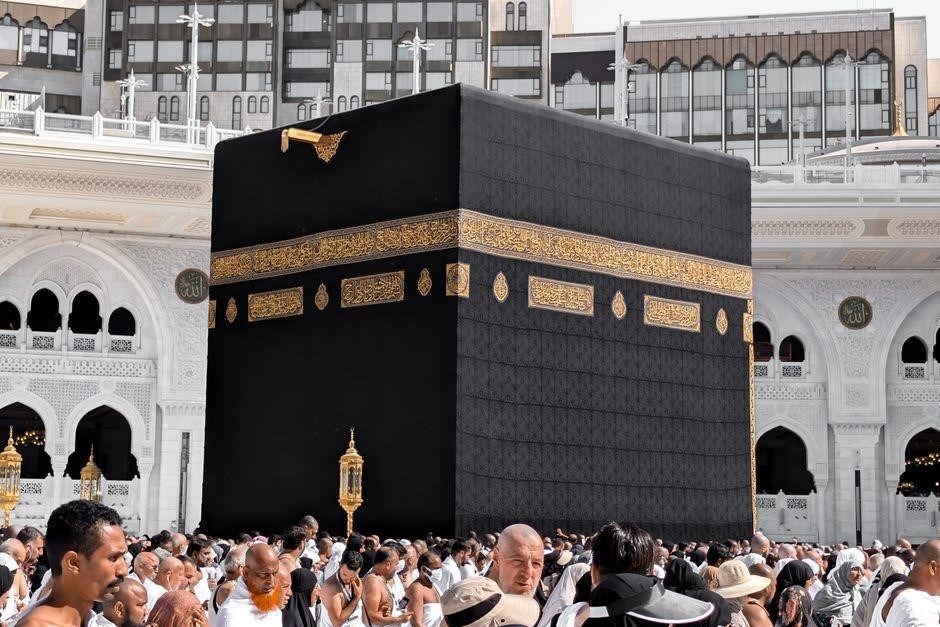
Health and Safety Preparations
Follow the concise advice in “Hajj and Umrah Made Easy” and “Companion of Hajj․” Ensure required vaccinations‚ a full medical check‑up‚ and carry a travel health kit․ Stay hydrated‚ wear breathable clothing‚ and follow local health guidelines for a safe journey․
Required Vaccinations and Medical Check‑ups
According to “Hajj and Umrah Made Easy” and “Companion of Hajj‚” every pilgrim must complete a full medical exam before departure․ The exam should confirm fitness for long walks and standing‚ and include a blood count‚ chest X‑ray‚ and urine test․ Mandatory vaccines are Hepatitis A‚ Hepatitis B‚ Typhoid‚ Polio‚ Meningococcal disease‚ and seasonal influenza․ Travelers without a recent meningococcal booster must receive one․ Proof of vaccination must be in a passport‑size health card‚ presented at the airport and entry point in Saudi Arabia; failure may lead to denial or quarantine․ Pilgrims should also bring copies of medical records‚ medication lists‚ and a chronic condition summary․ A follow‑up appointment with a local provider within the first week in Mecca or Medina is advised to address any health issues that arise‚ ensuring safe completion of the rites․ Pilgrims should also schedule a pre‑travel health assessment with a qualified physician to identify any potential complications such as cardiovascular issues‚ respiratory conditions‚ or allergies․ The assessment should include an ECG‚ spirometry‚ and a review of current medications․ Travelers with chronic illnesses should bring a sufficient supply of medication‚ along with a physician’s note detailing dosage and usage instructions․ It is recommended to carry a small first‑aid kit containing basic supplies like bandages‚ antiseptic wipes‚ and pain relievers․ Pilgrims should also bring a portable water bottle and a small thermos to maintain hydration during long rituals‚ especially during the hottest parts of the day․ A simple checklist of essential items—such as a clean ihram garment‚ a small towel‚ a hand sanitizer‚ and a prayer mat—helps ensure readiness․
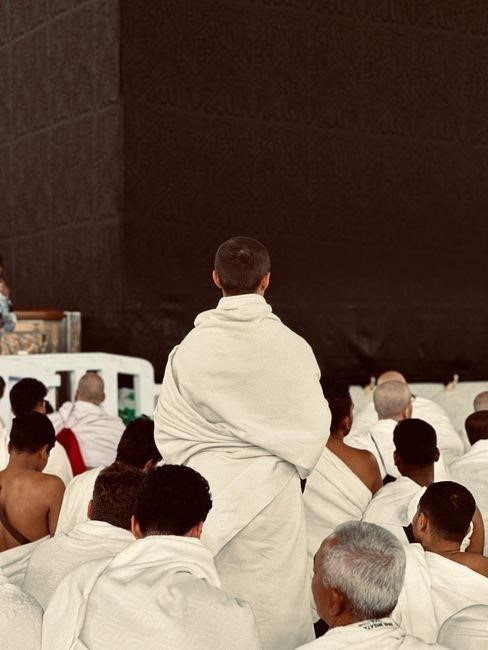
Documentation and Visa Requirements
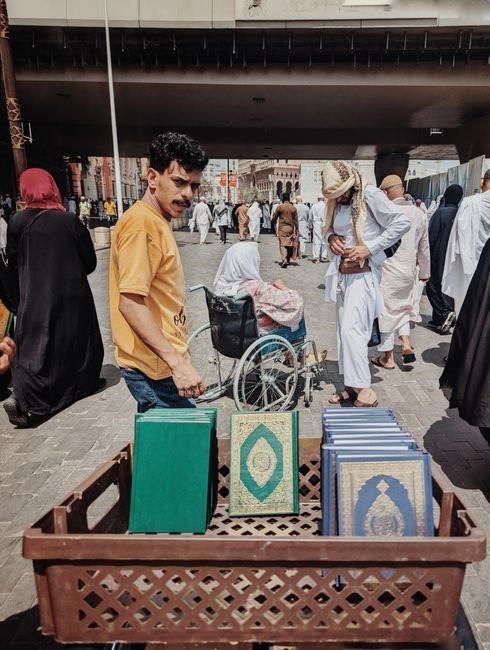
Pilgrims must hold a valid passport‚ a confirmed Hajj visa‚ and comprehensive travel insurance․ The visa application requires proof of vaccination‚ a completed health questionnaire‚ and a recent passport photo․ Ensure all documents are notarized and translated if needed and a valid health certificate․
Passport‚ Hajj Visa‚ and Travel Insurance Essentials
According to the latest editions of “Hajj and Umrah Made Easy” and “Companion of Hajj‚” every pilgrim must secure a valid passport with at least six months of validity beyond the return date․ The Hajj visa is issued by the Saudi Ministry of Hajj and requires a completed application form‚ a recent passport photo‚ and a copy of the confirmed travel itinerary․ The application must be submitted through an authorized travel agency or the Saudi embassy‚ and the processing time is typically 4–6 weeks․ In addition‚ travelers should obtain comprehensive travel insurance that covers medical expenses‚ evacuation‚ trip cancellation‚ and lost luggage․ The insurance policy must provide a minimum coverage of SAR 100‚000 for medical treatment and include a clause for COVID‑19 related incidents․ Pilgrims are advised to keep all documents—passport‚ visa‚ insurance policy‚ vaccination certificate‚ and a copy of the itinerary in both digital and hard‑copy formats․ It is also recommended to register with the local embassy upon arrival in Saudi Arabia to facilitate any emergency assistance․ Following these steps ensures compliance with Saudi regulations and provides peace of mind throughout the pilgrimage․
Pilgrims should also verify that their passport has a minimum of six months validity after the return date‚ and that the visa stamp is clearly legible․ It is advisable to carry an electronic copy of all documents on a secure cloud service and to keep a printed backup in a waterproof pouch․
Accommodation and Local Transport
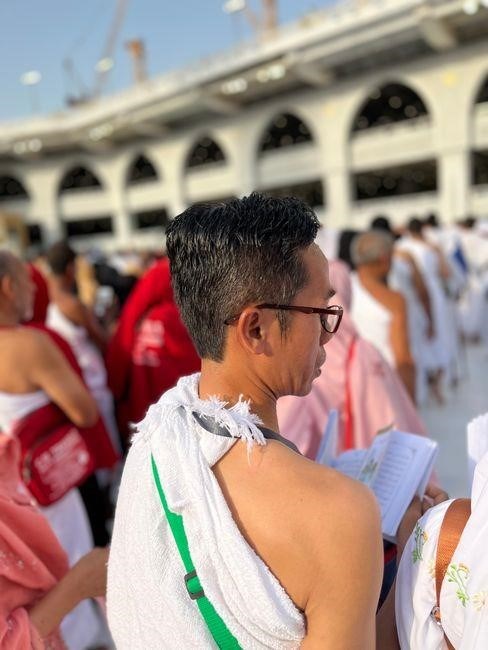
Guide books advise staying near Mecca’s Haram for easy access to rituals․ Hotels range from budget to luxury‚ many offer shuttle buses to Mina‚ Arafat‚ and Muzdalifah․ Local transport includes shared vans‚ taxis‚ and the free Hajj bus service‚ ensuring timely arrival for each rite․ and concierge!!․
Hotel Options and Transportation Within Mecca and Medina
Guide books recommend lodging close to the Haram‚ ranging from budget inns to upscale resorts․ Popular chains such as Makkah Palace‚ Al‑Makkah Hotel‚ and Makkah Al‑Madinah Hotel offer rooms with meals and daily shuttles to Mina‚ Arafat‚ and Muzdalifah․ Luxury options like the Makkah Clock Royal Tower and Riad Al‑Shahba offer spa services‚ private prayer rooms‚ and Wi‑Fi‚ ensuring comfort after long rituals․ In Medina‚ the Al‑Madinah Palace‚ Al‑Madinah Grand Hotel‚ and Al‑Madinah Al‑Jadid Hotel are within walking distance of the Prophet’s Mosque and Quba Mosque․
Transportation is organized by a free Hajj bus system that runs 24/7‚ connecting the Haram to Mina‚ Arafat‚ and Muzdalifah‚ and a special “Hajj Express” route that shortens travel during peak times․ Shared taxis (tuk‑tuks) and app‑based rides like Uber and Careem provide flexible pick‑up points near major hotels․ Many hotels supply complimentary shuttle vans that follow the pilgrimage schedule‚ ensuring timely arrival for each rite․ Private drivers are also available for those who prefer a personalized itinerary‚ especially for extended stays in Medina․ All transport options are vetted for safety‚ cleanliness‚ and adherence to the Hajj schedule‚ guaranteeing a smooth and spiritually focused journey․ Pilgrims are advised to check hotel booking policies‚ cancellation fees‚ and room amenities before confirming reservations․ These resources help pilgrims plan efficiently and focus
The Rituals of Hajj
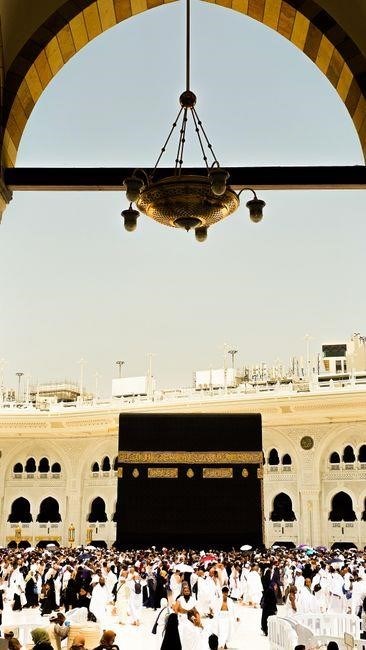
The guide details Tawaf‚ Sa’i‚ Wuquf‚ and stoning․ It explains timing‚ prayers‚ and proper dress․ Diagrams illustrate each step․ Readers learn how to perform rituals correctly‚ ensuring compliance with Islamic law and maximizing spiritual benefit․ It covers symbolic meanings and supplications․!!
Tawaf‚ Sa’i‚ Wuquf‚ and Stoning of the Jamarat
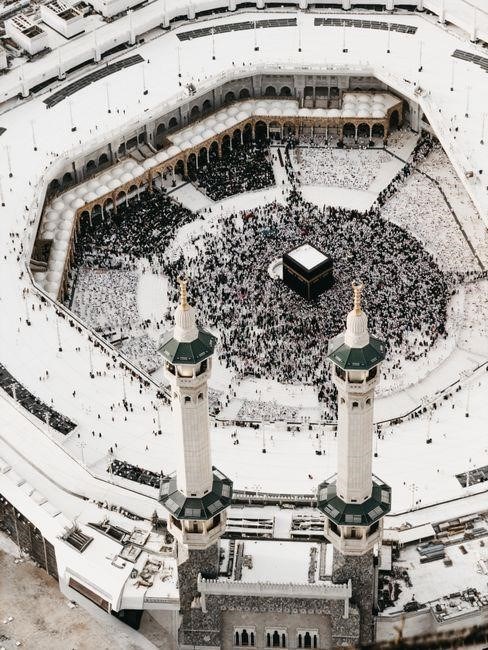
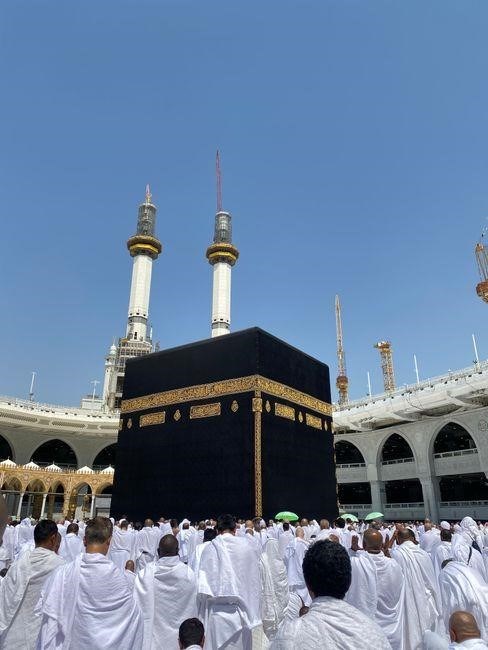
According to the “Hajj and Umrah Made Easy” manual‚ Tawaf consists of circling the Kaaba seven times in a counter‑clockwise direction‚ beginning at the Black Stone․ The guide emphasizes the importance of maintaining a steady pace‚ reciting prescribed supplications‚ and keeping the right side of the body toward the Kaaba․ Sa’i‚ performed between the hills of Safa and Marwah‚ requires seven circuits‚ each marked by the words “Amin” and “Al‑Hamd․” Wuquf‚ the standing period at Arafat‚ is described as a time of reflection and repentance; the book details the specific prayers and the recommended duration of 12:30 p․m․ to 4:30 p․m․ Finally‚ the Stoning of the Jamarat is outlined with instructions on the number of stones to throw at each of the three pillars‚ the appropriate stance‚ and the recommended recitation of “Bismillahir‑Rahmanir‑Rahim” before each strike․ The guide also includes diagrams illustrating the correct posture‚ the sequence of movements‚ and the symbolic meanings behind each act‚ ensuring pilgrims perform the rites accurately and with full awareness of their spiritual significance․
The guide also includes diagrams illustrating the correct posture‚ the sequence of movements‚ and the symbolic meanings behind each act‚ ensuring pilgrims perform the rites accurately and with full awareness of their spiritual significance․
Readers can also consult the companion guidebooks for detailed timings‚ recommended supplications‚ and logistical tips․ The books emphasize the importance of humility‚ patience‚ and community spirit during the rites․ They provide practical checklists for packing‚ health precautions‚ and etiquette while in the holy sites‚ ensuring a safe and spiritually enriching experience․ All pilgrims benefit!
Practical Tips and Resources
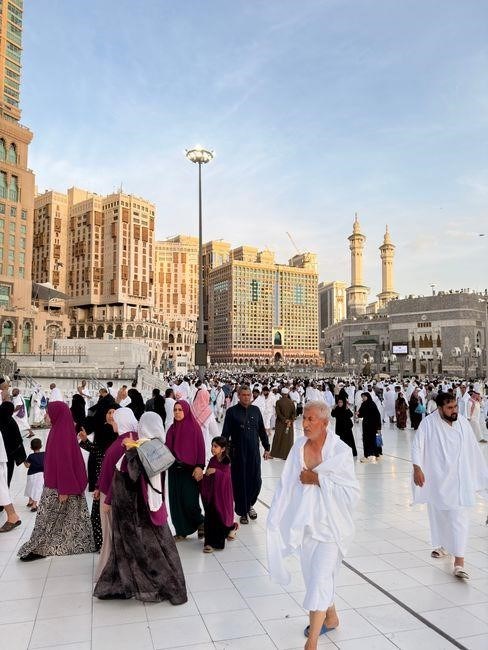
Top guide books such as “Hajj and Umrah Made Easy” and “Companion of Hajj” offer step‑by‑step rituals‚ diagrams‚ and Arabic transliterations․ Mobile apps like Hajj Companion and Umrah Guide provide real‑time prayer times‚ checklists‚ and GPS navigation for pilgrims․
PDF guides available․
Recommended Guide Books and Mobile Applications for Pilgrims
For pilgrims seeking a concise yet thorough reference‚ the following guide books stand out․ “Hajj and Umrah Made Easy” by Taqi Hashmi (ISBN 9781898649847) offers a flip‑format‚ color‑illustrated manual with diagrams‚ Arabic transliterations‚ and a unique travel cord for hands‑free use․ Its compact 49‑page layout makes it ideal for carrying on the journey․
“Companion of Hajj” by Mufti Ikram Ul Haq (ISBN 9781493166374) is regarded as one of the most authentic texts on Hajj rulings․ It provides detailed step‑by‑step instructions‚ practical tips‚ and a clear layout that helps pilgrims perform each rite correctly․
“Hajj and Umrah: Journey of a Lifetime” by the Authenticate Ulamas Organization (ISBN 9781530322053) delivers a comprehensive overview of the pilgrimage‚ including preparatory guidance‚ spiritual reflections‚ and logistical advice․
In addition to printed guides‚ several mobile applications enhance the pilgrimage experience․ The “Hajj Companion” app supplies real‑time prayer times‚ a checklist of rituals‚ and GPS navigation to key sites in Mecca and Medina․ “Umrah Guide” offers similar features‚ including audio recitations of essential duas and an interactive map of the Haram;
Both apps are available on iOS and Android‚ and many pilgrims find them indispensable for staying organized and spiritually focused during the Hajj․