
Boat Guide Pole Covers: A Comprehensive Guide
Navigating boating regulations, trolling motor mounting, flooring options, and cable specifications highlights common boat owner concerns. Protecting investments and ensuring functionality are key.
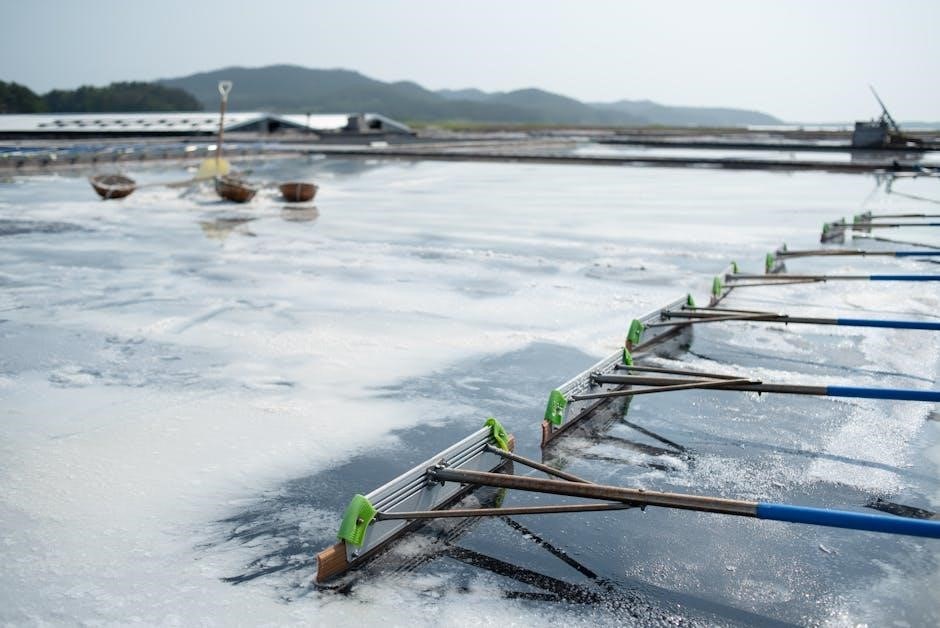
What are Boat Guide Pole Covers?
Boat guide pole covers are protective sheaths designed to encase the vertical poles used for guiding boats during docking, particularly prevalent on pontoon and deck boats. These poles, often constructed from aluminum or stainless steel, are susceptible to damage from various environmental factors and regular wear and tear. Covers are typically crafted from durable materials like vinyl, nylon, or polyester, offering a barrier against the elements.
Essentially, they act as a shield, preventing scratches, dents, and corrosion. The covers slide over the poles or secure with zippers, providing a snug fit. Discussions around boat maintenance frequently touch upon protecting all components, and guide poles are no exception, ensuring smooth and safe docking procedures for boaters.
Why Use Boat Guide Pole Covers?
Employing boat guide pole covers is a proactive measure for any boat owner seeking to preserve the integrity and functionality of their docking system. Without protection, these poles face constant exposure to harsh marine environments, leading to corrosion, fading, and structural weakening. Protecting these components is vital, as discussions around boat upkeep often emphasize preventative care.
Furthermore, covers prevent unsightly scratches and dents that can occur during docking maneuvers. Maintaining a boat’s aesthetic appeal is important to many owners. Addressing potential issues like cable specifications and shift adjustments demonstrates a commitment to overall boat health, and extending the life of guide poles aligns with this philosophy.
Benefits of Using Covers
The advantages of utilizing boat guide pole covers are numerous, extending beyond mere cosmetic improvements. Primarily, covers shield poles from the relentless assault of sun, salt spray, and fluctuating temperatures – elements that accelerate deterioration. This protection directly translates to reduced maintenance costs and fewer replacements over time, offering a significant return on investment.
Beyond preservation, covers contribute to a cleaner boating experience by minimizing grime buildup. Discussions about epoxy painting boat floors and maintaining a tidy vessel underscore the importance of overall cleanliness. Properly maintained guide poles enhance safety during docking, preventing slippage or structural failure. Ultimately, covers represent a simple yet effective way to safeguard a crucial boating component.
Protecting the Poles from Weather Damage
Boat guide poles endure constant exposure to harsh marine environments, making weather protection paramount. Saltwater, a potent corrosive agent, rapidly degrades metal components and weakens wooden structures. Prolonged sun exposure causes cracking and brittleness, while freezing temperatures can lead to expansion and fracturing. Covers act as a vital barrier against these damaging forces.
Discussions regarding boat lift cable specifications and the need for durable materials highlight the importance of resisting environmental stress. By shielding poles from the elements, covers prevent rust, rot, and structural compromise. This proactive approach minimizes the risk of costly repairs or replacements, ensuring reliable performance and extending the lifespan of these essential boating aids. Regular cover use is a simple preventative measure.
Preventing UV Degradation
Ultraviolet (UV) radiation from the sun poses a significant threat to boat guide poles, causing materials to break down over time. This degradation manifests as fading, cracking, and a loss of structural integrity. Polymers, commonly found in many pole materials, are particularly susceptible to UV damage, becoming brittle and prone to failure. Protecting against UV rays is crucial for longevity.
Considering discussions about epoxy painting boat floors and the need for UV-resistant finishes, the importance of UV protection is clear. Covers constructed from UV-resistant materials, like polyester, effectively block harmful rays, preserving the poles’ strength and appearance. This preventative measure delays the onset of deterioration, reducing the need for frequent replacements and maintaining optimal boating functionality. Investing in UV protection is a smart long-term strategy.
Extending the Lifespan of Guide Poles
Prolonging the usability of boat guide poles represents a significant cost saving for boat owners. Regular maintenance, coupled with protective measures like covers, dramatically increases their service life. Addressing issues like cable specifications and potential lower unit damage highlights the value of preventing component failure. Protecting poles from the elements, specifically UV degradation and weather damage, is paramount.
Considering the need for durable flooring solutions like epoxy, the desire for long-lasting boat components is evident. Covers shield poles from harsh conditions, minimizing wear and tear. This proactive approach reduces the frequency of replacements, saving both money and time. Properly maintained poles contribute to safer and more efficient boat operation, enhancing the overall boating experience and maximizing investment value.
Materials Used in Boat Guide Pole Covers
Selecting the appropriate material for boat guide pole covers is crucial for optimal protection and longevity. Several options cater to diverse needs and budgets. Vinyl offers a balance of durability and cost-effectiveness, resisting abrasions and general wear. Nylon provides a lightweight, water-resistant barrier, ideal for frequent use and quick drying. Polyester stands out for its superior UV resistance and excellent color retention, maintaining appearance over time.
Considering epoxy flooring solutions demonstrates a desire for resilient materials. The choice depends on environmental factors and usage intensity. Stainless steel wire rope, used in boat lifts, exemplifies the need for robust materials. Each material presents unique advantages, ensuring boat owners can find a cover suited to their specific requirements and boating conditions.
Vinyl Covers: Durability and Cost-Effectiveness
Vinyl boat guide pole covers represent a popular choice due to their impressive durability and affordable price point. This material excels at resisting abrasions, impacts, and general wear and tear encountered during regular boating activities. Vinyl’s inherent strength safeguards the poles from potential damage, extending their lifespan and reducing replacement costs.
Furthermore, vinyl is relatively easy to clean and maintain, requiring only mild soap and water. Considering epoxy flooring options highlights the desire for resilient surfaces, a trait vinyl shares. While not as lightweight as nylon, vinyl provides a substantial protective barrier. Its cost-effectiveness makes it accessible to a wide range of boat owners seeking reliable pole protection without exceeding their budget.
Nylon Covers: Lightweight and Water-Resistant
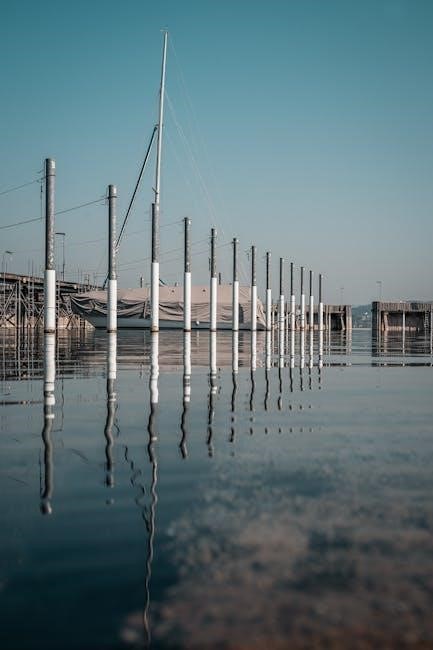
Nylon boat guide pole covers are prized for their remarkably lightweight nature and excellent water-resistant properties. This makes them exceptionally easy to handle during installation and removal, a significant advantage for boaters who frequently adjust or store their poles. Nylon effectively repels water, preventing moisture absorption that can lead to corrosion or damage to the underlying pole material.
While perhaps not as abrasion-resistant as vinyl, nylon offers a good balance of protection and portability. Considering the importance of cable specifications, a lightweight cover minimizes added weight. Nylon’s quick-drying characteristics are beneficial in wet environments, and its flexibility allows for a snug fit. Though potentially pricier than vinyl, nylon’s benefits appeal to boaters prioritizing ease of use and water protection.
Polyester Covers: UV Resistance and Color Retention
Polyester boat guide pole covers stand out due to their superior resistance to ultraviolet (UV) degradation and exceptional color retention capabilities. Prolonged sun exposure can quickly fade and weaken many materials, but polyester holds its color remarkably well, maintaining a presentable appearance for longer. This UV resistance is crucial for protecting the poles themselves, as the cover acts as a barrier against harmful rays.
Polyester also offers good water resistance, though typically not as high as nylon. Considering epoxy painting boat floor alternatives, a durable cover protects the finish. Its strength and durability make it a reliable choice, and it’s often more affordable than nylon. Polyester’s ability to withstand the elements ensures long-lasting protection and a consistently attractive look, making it a popular option for boat owners.
Types of Boat Guide Pole Covers Available
A variety of boat guide pole cover types cater to different needs and preferences, ranging from simple slip-on designs to more secure and customized options. Slip-on covers offer the easiest installation and removal, making them ideal for frequent adjustments or seasonal storage. However, they may not provide the most secure fit, especially in windy conditions.
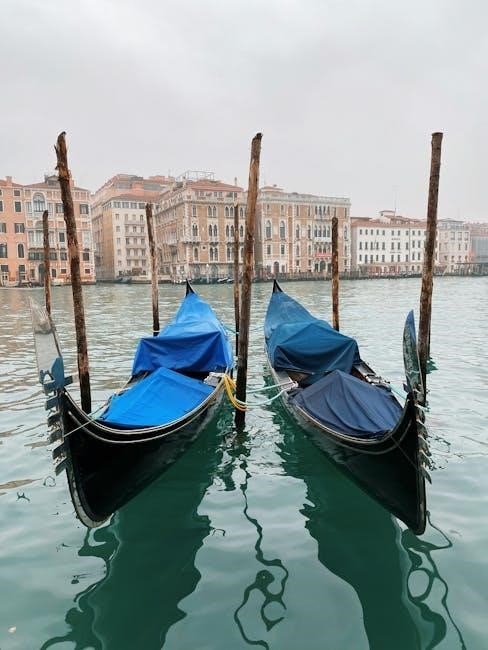
Zippered covers, conversely, deliver a snug and secure fit, offering full protection against the elements and potential damage. Custom-fit covers represent the premium option, meticulously tailored to the specific dimensions of your guide poles for an unparalleled level of protection and aesthetic appeal. Considering boat lift cable specs, a secure cover is vital. Choosing the right type depends on your budget, desired level of protection, and ease of use.
Slip-On Covers: Easy Installation and Removal
Slip-on boat guide pole covers are celebrated for their straightforward application and removal process, making them a popular choice for boaters prioritizing convenience. These covers typically feature an elasticized or drawstring closure, allowing them to be quickly slipped over the poles without the need for tools or complex procedures. This ease of use is particularly beneficial for those who frequently adjust their guide poles or store them seasonally.
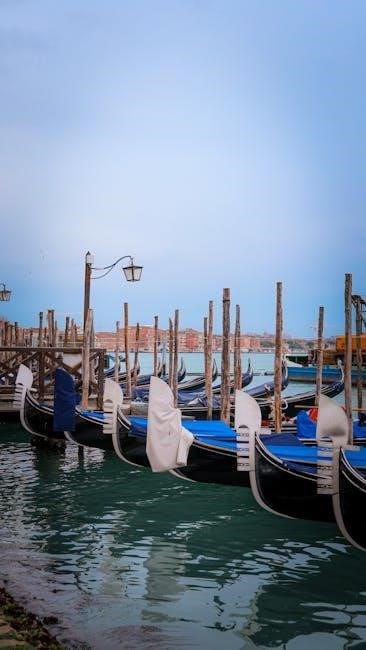
However, it’s important to note that slip-on covers may not offer the same level of security as zippered or custom-fit options, potentially shifting in strong winds; Like ensuring proper boat lift cable specs, a snug fit is important. Despite this, their simplicity and affordability make them an excellent entry-level solution for basic pole protection.
Zippered Covers: Secure Fit and Full Protection
Zippered boat guide pole covers provide a significantly more secure and comprehensive level of protection compared to slip-on alternatives. The zippered closure ensures the cover remains firmly in place, even in challenging weather conditions or during high-speed boating. This secure fit prevents shifting and minimizes the risk of exposure to damaging elements like UV rays, rain, and debris.
Similar to the importance of a correctly adjusted shift cable, a properly fitted zippered cover is crucial for optimal performance. These covers often incorporate reinforced seams and durable materials, enhancing their longevity and resistance to wear and tear. While slightly more involved to install than slip-ons, the added security and protection they offer make them a worthwhile investment for boaters seeking long-term pole preservation.
Custom-Fit Covers: Tailored to Specific Pole Dimensions
For boat owners prioritizing a precise and immaculate fit, custom-fit boat guide pole covers represent the premium option. Unlike universal sizes, these covers are meticulously crafted to the exact dimensions of your specific guide poles, ensuring a snug and secure enclosure. This tailored approach eliminates any looseness or bunching, maximizing protection against the elements and potential damage.
Just as meticulous mounting is needed for a trolling motor, precise measurements are vital for custom covers. While generally the most expensive choice, the superior fit and enhanced protection often justify the investment, particularly for high-end boats or poles requiring specialized care. Like epoxy floor coatings, custom covers offer a personalized solution, guaranteeing optimal performance and longevity for your boating equipment.
Installation and Maintenance
Proper installation of boat guide pole covers is crucial for maximizing their protective benefits; Whether utilizing slip-on, zippered, or custom-fit designs, ensure a secure and snug fit, avoiding any gaps that could allow moisture or debris to enter. Regularly inspect the covers for signs of wear and tear, such as rips, tears, or fading, addressing any issues promptly to prevent further damage.
Cleaning should be performed periodically with mild soap and water, similar to maintaining a boat’s flooring. Just as cable specifications are vital for boat lifts, proper care extends the lifespan of your covers. Avoid harsh chemicals or abrasive cleaners that could degrade the material. Consistent maintenance, like adjusting shift cables, ensures continued functionality and protection for your valuable guide poles.
Proper Installation Techniques
Achieving a secure fit is paramount when installing boat guide pole covers. For slip-on covers, gently stretch the material over the pole, ensuring complete coverage and avoiding wrinkles. Zippered covers require careful alignment of the zipper before closing, verifying no fabric is caught. Custom-fit covers should slide on smoothly; forcing them could damage both the cover and the pole.
Similar to adjusting a boat’s shift cable – requiring precision – proper installation prevents premature wear. Inspect the fit after installation, checking for tightness and any potential weak points. Just as epoxy painting a boat floor demands careful preparation, a clean pole surface ensures optimal adhesion and cover longevity. A well-installed cover provides maximum protection against the elements.
Cleaning and Care Instructions
Regular cleaning extends the life of your boat guide pole covers, much like maintaining a boat’s wiring or epoxy floor. Mild soap and water are generally sufficient; avoid harsh chemicals that could degrade the material. Rinse thoroughly to remove all soap residue, preventing staining or discoloration.
For tougher stains, a specialized marine vinyl cleaner (for vinyl covers) may be used, following the manufacturer’s instructions. Similar to inspecting boat lift cables for wear, regularly check covers for tears or abrasions. Promptly address any damage to prevent it from worsening. Air drying is preferred; avoid direct sunlight or heat, which can cause fading or shrinkage. Proper care ensures lasting protection, mirroring the attention given to a trolling motor mount.
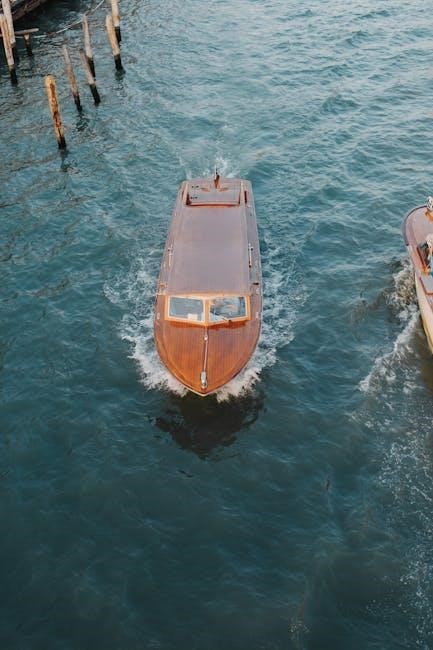
Inspecting for Wear and Tear
Routine inspection is crucial for maintaining the effectiveness of boat guide pole covers, akin to checking a boat’s shifting mechanism or cable specifications. Regularly examine the covers for signs of cracking, fading, or tearing – indicators of material degradation. Pay close attention to areas experiencing high stress or frequent contact.
Check seams for loosening stitches or separation, similar to inspecting a garage floor epoxy coating for cracks. Look for any mildew or mold growth, especially in humid environments. Early detection of wear allows for timely repairs or replacements, preventing further damage to the poles themselves. Consistent inspection, like monitoring homeowner association rules, safeguards your investment and ensures continued functionality.
Compatibility with Different Boat Types
Boat guide pole cover compatibility varies based on vessel design, much like trolling motor mounting differs across boat models. Pontoon boats, with their flat decks and often multiple poles, require covers designed for wider spacing and potentially larger diameters. Deck boats, featuring a more contoured shape, may necessitate custom-fit options for a secure and aesthetically pleasing appearance.
Fishing boats, often subjected to harsher conditions, benefit from durable, weather-resistant covers. Consider the pole’s placement and potential interference with other boat features. Ensuring a proper fit prevents chafing and maintains the cover’s effectiveness, similar to adjusting a shift cable for optimal performance. Universal covers can work, but tailored solutions offer superior protection.
Pontoon Boats
Pontoon boats uniquely benefit from guide pole covers due to their multiple poles and expansive deck space. These covers protect against sun, rain, and potential damage from docking maneuvers, mirroring the need to protect boat flooring from wear. Standard pontoon pole diameters require appropriately sized covers, often slip-on or zippered styles for easy application.
Consider the material’s resistance to mildew and UV degradation, crucial for boats frequently exposed to the elements. Like ensuring proper cable specifications for boat lifts, selecting durable materials extends the cover’s lifespan. Custom-fit options are available for irregularly shaped poles or those with integrated lighting, ensuring complete protection and a polished look.
Deck Boats
Deck boats, known for their spacious layouts and versatile use, often feature guide poles for docking and maneuvering; Protecting these poles with dedicated covers is essential, similar to safeguarding a boat’s flooring with epoxy paint. The covers shield against scratches from dock lines and prevent weathering, maintaining the boat’s aesthetic appeal.
Zippered covers are particularly useful for deck boats, offering a secure fit and full protection against the elements. Like ensuring a trolling motor is properly mounted, a snug cover prevents slippage during transit. Consider the cover’s material – vinyl or polyester – based on climate and frequency of use, mirroring the importance of stainless steel cable for boat lifts.
Fishing Boats
Fishing boats, frequently exposed to harsh marine environments, demand robust protection for all components, including guide poles. Similar to the need for oil and gas-resistant flooring, guide pole covers must withstand constant use and potential abrasion from fishing gear. Regular inspection for wear and tear, like checking boat lift cables, is crucial.
Slip-on covers offer a convenient solution for quick protection, while custom-fit covers provide the most secure and tailored defense. Consider the breaking strength of materials, akin to wire rope specifications, to ensure durability. Protecting guide poles extends their lifespan, preventing costly replacements and maintaining the boat’s functionality for years of successful fishing expeditions.
Cost Considerations
The price of boat guide pole covers varies significantly based on material, type, and customization. Budget-friendly slip-on covers offer basic protection, while durable vinyl or nylon options represent a moderate investment. Custom-fit covers, tailored to specific pole dimensions, naturally command a higher price point.
However, viewing covers as a long-term investment is prudent. Preventing UV degradation and weather damage, much like maintaining boat lift cables, avoids expensive repairs or replacements. Considering the potential cost of lower unit repairs due to neglected components, proactive protection proves cost-effective. Ultimately, the value lies in preserving the functionality and lifespan of your guide poles.
Factors Influencing Price
Several key elements dictate the cost of boat guide pole covers. Material selection is paramount; vinyl generally offers a balance of durability and affordability, while nylon and polyester can vary. The cover’s type – slip-on, zippered, or custom-fit – significantly impacts price, with custom options being the most expensive.
Pole dimensions and the number of covers needed also contribute. Larger poles or multiple poles naturally increase the overall cost. Similar to stainless steel wire rope for boat lifts, quality materials command a premium. Furthermore, brand reputation and retailer markups play a role, mirroring the pricing variations seen with trolling motor components.
Budget-Friendly Options
For boat owners seeking cost-effective solutions, several options exist for guide pole covers; Universal-fit slip-on covers, constructed from durable yet affordable vinyl, represent a practical choice. Exploring online retailers often reveals competitive pricing compared to specialized marine stores, similar to sourcing stainless steel wire rope online.
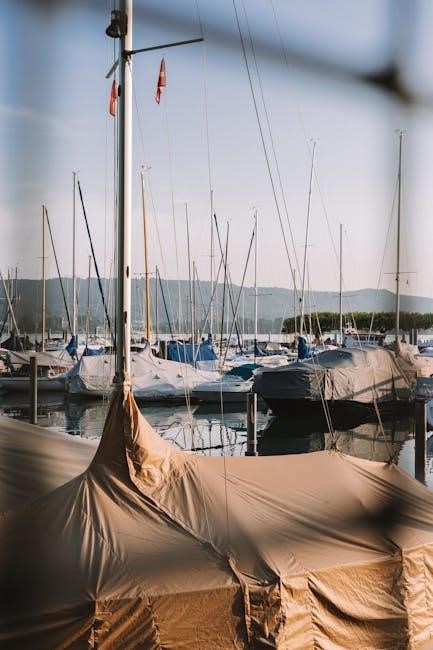
DIY approaches, utilizing water-resistant fabrics, can further reduce expenses. While potentially less polished than professionally made covers, they offer functional protection. Prioritizing essential features over premium materials – focusing on water resistance rather than UV coatings – can also lower costs. Remember, like epoxy floor paints, a little research can yield significant savings.
Long-Term Value
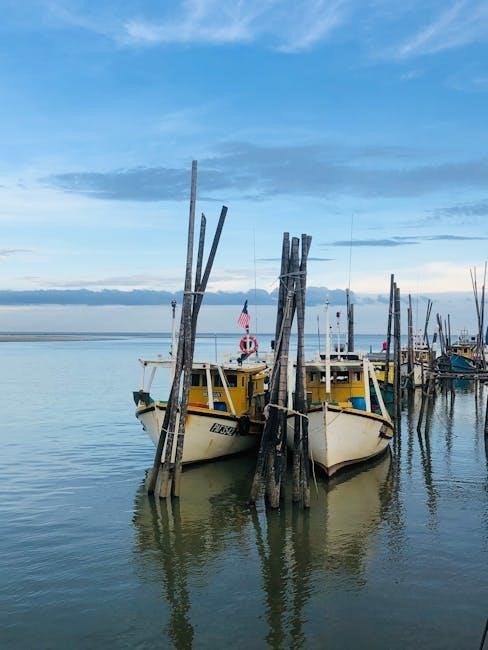
Investing in quality boat guide pole covers delivers substantial long-term value, mirroring the durability of properly maintained boat lift cables. Preventing weather damage and UV degradation significantly extends the lifespan of guide poles, avoiding costly replacements. While initial costs might be higher for premium materials like robust vinyl or UV-resistant polyester, the reduced need for repairs or replacements offers considerable savings.
Consider the alternative: neglecting pole protection can lead to structural compromise, potentially impacting boat maneuverability and safety. Like ensuring correct shift cable adjustments to prevent lower unit damage, preventative measures are crucial. A well-maintained boat retains its value, and protecting components like guide poles contributes to this overall asset preservation.