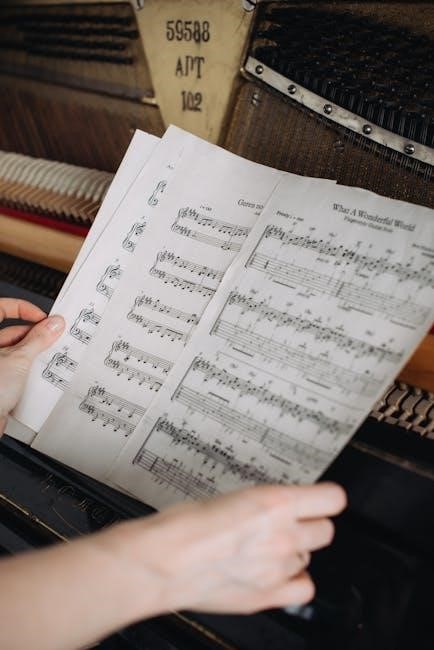
perfect ed sheeran sheet music piano pdf
Ed Sheeran “Perfect” Sheet Music: A Comprehensive Guide (2026)
Today‚ February 26‚ 2026‚ aspiring pianists can readily access numerous online resources for Ed Sheeran’s “Perfect” sheet music in PDF format‚
catering to diverse skill levels and learning preferences.
Ed Sheeran’s “Perfect‚” released in 2017 as part of his ÷ (Divide) album‚ quickly ascended to global prominence‚ becoming a modern classic and a staple at weddings and romantic events. The song’s heartfelt lyrics‚ coupled with its gentle melody‚ resonated deeply with audiences worldwide‚ solidifying Sheeran’s position as a leading singer-songwriter.
Its popularity extends to the realm of musical learning‚ particularly for piano players. “Perfect” offers a beautiful and relatively accessible piece for intermediate players to tackle‚ providing a satisfying musical experience. Consequently‚ the demand for “Perfect” sheet music‚ especially in piano PDF format‚ has surged. Musicians seek readily available‚ printable versions to practice and perform this beloved song. The availability of free and paid options on platforms like MuseScore and PDFCOFFEE.COM further fuels its accessibility.
Why “Perfect” is a Popular Piano Choice
“Perfect” by Ed Sheeran presents an appealing challenge for pianists due to its blend of melodic simplicity and harmonic richness. The song’s chord progression‚ while not overly complex‚ allows for expressive interpretation and development of accompaniment skills. Many arrangements focus on creating a lush‚ romantic atmosphere‚ making it ideal for building dynamic control and voicing techniques.
The availability of various piano sheet music arrangements‚ including simplified versions and solo arrangements in PDF format‚ caters to a wide range of skill levels; Beginners can start with easier transcriptions‚ while more advanced players can explore intricate arrangements. The song’s recognizable melody also makes it rewarding to learn‚ providing instant gratification and encouraging continued practice. Furthermore‚ online tutorials and resources readily accompany the sheet music‚ aiding in the learning process.

Finding “Perfect” Sheet Music Online
Numerous websites offer Ed Sheeran’s “Perfect” sheet music in PDF format‚ including MuseScore‚ PDFCOFFEE.COM‚ and SheetMusic-Free.com‚ providing convenient access for pianists.
MuseScore: A Leading Platform for Free Sheet Music
MuseScore stands out as a premier online destination for musicians seeking free sheet music‚ and Ed Sheeran’s “Perfect” is prominently featured within its extensive library. The platform boasts a vibrant community of composers and arrangers who contribute a diverse range of arrangements for various instruments‚ including piano.
Users can readily download “Perfect” sheet music in PDF format directly from MuseScore‚ offering both solo piano arrangements and versions tailored for different skill levels. The site’s interactive score viewer allows musicians to preview the music before downloading‚ ensuring it aligns with their needs. Furthermore‚ MuseScore facilitates sharing‚ downloading‚ and printing of sheet music‚ fostering a collaborative environment for music lovers worldwide. With over a million digital music pieces available‚ it’s a valuable resource for anyone learning or performing “Perfect” on the piano.
PDFCOFFEE.COM: Accessing PDF Versions
PDFCOFFEE.COM provides a convenient gateway to accessing PDF versions of “Perfect” sheet music by Ed Sheeran. The website aggregates PDF documents from various sources across the internet‚ making it a useful search tool for musicians. A direct link leads to a PDF titled “Perfect-Sheet-Music-Ed-Sheeran-(SheetMusic-Free-com).pdf”‚ offering readily available sheet music.
The available PDF contains lyrics alongside the musical notation‚ assisting with performance and memorization. While PDFCOFFEE.COM doesn’t create the sheet music itself‚ it streamlines the process of finding and downloading existing arrangements. Users should exercise caution and verify the accuracy of the sheet music obtained from such aggregator sites. It’s a quick option for those seeking immediate access to a PDF version of “Perfect” for piano practice or performance‚ though quality can vary.
SheetMusic-Free.com and Similar Websites
SheetMusic-Free.com‚ as indicated by the PDFCOFFEE.COM listing‚ serves as a repository for free sheet music‚ including arrangements of Ed Sheeran’s “Perfect”. The site offers piano scores in PDF format‚ often sourced from user submissions or public domain materials. PopPiano.org is also listed as a related resource‚ showcasing a variety of Ed Sheeran’s songs.
Numerous similar websites exist‚ dedicated to providing free sheet music downloads. These platforms often feature community-driven content‚ meaning the quality and accuracy can fluctuate. Users should carefully review the arrangements before relying on them for performance or study. These sites frequently include chord symbols and basic notation‚ suitable for intermediate players. Always be mindful of copyright considerations when downloading and using free sheet music from these sources‚ ensuring legitimate access and respecting the composer’s rights.
Types of “Perfect” Sheet Music Available
“Perfect” sheet music comes in diverse formats: solo piano‚ accompaniment tracks‚ simplified beginner arrangements‚ and related guitar tablature‚ all readily available as PDFs online.
Piano Sheet Music – Solo Arrangements
Solo piano arrangements of Ed Sheeran’s “Perfect” are exceptionally popular‚ offering pianists a complete musical experience without the need for accompanying instruments. These arrangements typically feature the melody‚ harmony‚ and rhythmic elements of the original song‚ adapted for solo piano performance.
Many websites‚ such as MuseScore and SheetMusic-Free.com‚ host a wide variety of these solo arrangements‚ ranging in difficulty from beginner-friendly to advanced. The PDF format allows for easy download‚ printing‚ and annotation. These arrangements often include detailed fingerings and dynamic markings to aid in interpretation;
Players can find versions that closely mirror the original song’s piano parts or more simplified interpretations suitable for those still developing their skills. The availability of different keys also allows pianists to choose an arrangement that best suits their vocal range or technical abilities. Exploring these solo arrangements provides a fulfilling way to learn and perform this beloved song.
Piano Sheet Music – Accompaniment Tracks
For pianists who enjoy playing with‚ rather than as the entire ensemble‚ “Perfect” piano sheet music with accompaniment tracks presents an excellent option. These resources typically provide a piano score focusing on the melody and harmonies‚ while a separate audio track delivers the backing instrumentation – mirroring the original song’s arrangement.
This format is particularly beneficial for vocalists who wish to accompany themselves on piano‚ or for pianists seeking a more immersive and authentic performance experience. Several online platforms offer these combined sheet music and track packages in PDF format.
The accompaniment tracks often allow for tempo adjustment‚ catering to different skill levels and performance preferences. Utilizing these resources allows pianists to focus on their playing while enjoying the full sonic richness of Ed Sheeran’s “Perfect‚” creating a captivating and complete musical presentation.
Simplified Piano Arrangements for Beginners
Learning Ed Sheeran’s “Perfect” on piano doesn’t require advanced skills! Thankfully‚ numerous simplified piano arrangements are available in PDF format‚ specifically designed for beginners. These versions typically reduce the complexity of the original score‚ focusing on easier chord progressions and simplified melodies.
Often‚ these arrangements omit intricate harmonies or embellishments‚ presenting a more manageable challenge for those new to piano playing. They frequently utilize single-note melodies in the right hand and basic chord voicings in the left‚ making the song accessible without sacrificing its emotional impact.
Websites like MuseScore and others offer a variety of these beginner-friendly arrangements‚ allowing aspiring pianists to quickly learn and enjoy playing this popular ballad. These simplified versions build confidence and provide a solid foundation for further musical development.
Guitar Tablature and Chord Charts (Related to Piano Learning)
While this guide focuses on piano sheet music‚ understanding guitar tablature and chord charts for “Perfect” can surprisingly aid piano learning. Many resources provide both piano PDF scores and guitar arrangements‚ offering a multi-faceted approach to understanding the song’s harmonic structure.
Guitar chords reveal the underlying chord progressions‚ which directly translate to piano voicings. Visualizing these chords can reinforce your understanding of the song’s harmony‚ even if you don’t play guitar. Furthermore‚ studying the melody line presented in guitar tab can help pianists internalize the tune.
Resources like SheetMusic-Free.com often include both formats. Recognizing the relationship between guitar and piano arrangements enhances musical comprehension and provides alternative learning pathways for “Perfect.”
Understanding Sheet Music Notation for “Perfect”
“Perfect” sheet music typically features a 4/4 time signature and a key signature of G major‚ utilizing common chord progressions and clear melodic lines for pianists.
Key Signature and Time Signature
Analyzing “Perfect” sheet music reveals fundamental elements crucial for performance. The song is predominantly written in the key of G major‚ indicated by one sharp (F#) in the key signature‚ simplifying harmonic understanding for pianists. This key lends itself to a warm and emotive sound‚ perfectly complementing the song’s lyrical content.
The time signature is consistently 4/4‚ meaning there are four beats in each measure‚ with a quarter note receiving one beat. This common time signature provides a steady and predictable rhythmic foundation‚ making it accessible for players of varying skill levels. Recognizing these foundational elements – the G major key and 4/4 time – is the first step towards accurately interpreting and beautifully performing Ed Sheeran’s “Perfect” on the piano.
Understanding these basics unlocks the song’s harmonic and rhythmic structure‚ allowing musicians to focus on expression and nuance during their performance.
Chord Symbols and Progressions
“Perfect” utilizes a relatively straightforward‚ yet emotionally resonant‚ chord progression. Common chords found in piano sheet music arrangements include G‚ Em‚ C‚ and D. These chords form the harmonic backbone of the song‚ creating a pleasing and familiar soundscape. The progression often revolves around G-Em-C-D‚ repeated and varied throughout the verses and chorus.
Chord symbols above the staff indicate the specific chords to be played‚ allowing pianists to build accompaniment patterns. Simplified arrangements may present these chords as basic triads‚ while more advanced versions incorporate seventh chords or inversions for added color. Recognizing these chord changes is vital for accurately conveying the song’s emotional depth.
The consistent use of these chords contributes to the song’s accessibility‚ making it a popular choice for beginner and intermediate piano players seeking to learn a beloved contemporary ballad.
Melody Line and Right-Hand Patterns
The melody of “Perfect” is beautifully lyrical and sits comfortably within a moderate vocal range‚ making it accessible for pianists to replicate on the right hand. Sheet music typically presents the melody line using standard notation‚ with notes clearly indicating pitch and rhythm. Right-hand patterns often involve playing the melody with subtle embellishments‚ such as passing tones or grace notes.
Beginner arrangements may simplify the right-hand part‚ focusing on playing the melody notes directly without complex ornamentation. More advanced versions introduce arpeggiated chords or broken chord patterns to create a fuller‚ more textured sound.
Careful attention to phrasing and dynamics is crucial for capturing the emotional nuance of Sheeran’s vocal performance. The right hand carries the song’s emotional weight‚ so precise execution is key.
Left-Hand Accompaniment Patterns
The left-hand accompaniment in “Perfect” generally provides a harmonic foundation‚ utilizing chord progressions that support the melody. Sheet music displays these chords as symbols above the staff‚ indicating the notes to be played in the left hand. Common patterns include broken chords‚ arpeggios‚ and simple block chords.
Beginner arrangements often employ basic root-position chords played on the downbeat‚ providing a straightforward rhythmic pulse. Intermediate and advanced versions introduce inversions‚ passing chords‚ and more complex rhythmic variations to add depth and interest.
A gentle‚ flowing rhythm is essential for capturing the song’s romantic atmosphere. The left hand should complement the right hand without overpowering it‚ creating a balanced and harmonious sound.

Using PDF Sheet Music Effectively
PDF sheet music for “Perfect” requires suitable software for viewing and printing‚ ensuring optimal readability and allowing for annotations to aid practice and learning.
Software for Viewing and Printing PDFs
Accessing “Perfect” sheet music in PDF format necessitates reliable software for a seamless experience. Adobe Acrobat Reader remains a popular‚ free choice‚ offering essential viewing and printing capabilities. However‚ alternatives like Foxit Reader and SumatraPDF provide lightweight options with fast loading times.
For more advanced features‚ consider Adobe Acrobat Pro‚ enabling annotations‚ form filling‚ and editing. When printing‚ ensure your software allows adjustments to scale‚ margins‚ and paper orientation. Experiment with settings to fit the sheet music optimally on your page‚ preventing crucial notes from being cut off. Previewing the print layout is vital before committing to paper. Remember to select high-quality print settings for clear notation‚ enhancing your learning process with the “Perfect” piano arrangement.
Adjusting Print Settings for Optimal Readability
Printing “Perfect” sheet music demands careful attention to settings for clear visibility. Begin by selecting “Fit to Page” to ensure all musical notation appears without cropping. However‚ this can sometimes shrink the print too much. Experiment with scaling options – 90% to 110% often strikes a good balance.
Paper size is crucial; standard A4 or Letter size works best. Check margin settings to maximize the printable area. For PDFs with complex layouts‚ choose “grayscale” printing to conserve ink without sacrificing readability. A higher DPI (dots per inch) setting‚ like 300 DPI‚ yields sharper lines and notes. Always perform a test print of a single page before printing the entire score‚ verifying that the notation is legible and comfortable to read during practice sessions.
Annotating Sheet Music for Practice
Effectively utilizing PDF sheet music for “Perfect” involves active annotation. Digital tools allow marking dynamics (p‚ f)‚ adding fingerings‚ and highlighting challenging passages. Use different colors to denote sections needing extra attention or to indicate phrasing.
Pencil markings on printed copies are equally valuable. Circle accidentals‚ write in chord voicings‚ or add reminders for pedal changes. Annotate with rhythmic cues – underlining beats or adding arrows to indicate tempo fluctuations. Regularly review these annotations during practice‚ transforming the sheet music into a personalized learning guide. This active engagement fosters deeper understanding and accelerates progress in mastering Ed Sheeran’s beautiful ballad.

Learning Resources for Playing “Perfect” on Piano
Numerous YouTube tutorials offer step-by-step guidance‚ complementing PDF sheet music‚ while dedicated online piano lessons focus specifically on mastering popular songs like “Perfect.”
YouTube Tutorials: Step-by-Step Guides
YouTube serves as an invaluable resource for learning “Perfect” on piano‚ offering a wealth of tutorials catering to various skill levels. Many creators provide step-by-step breakdowns of the song‚ often synchronizing their instruction with readily available PDF sheet music. These videos frequently demonstrate both hands separately‚ then combined‚ allowing learners to grasp the complexities gradually.
Some tutorials focus on simplified arrangements for beginners‚ while others tackle the original composition in its entirety. A search for “Perfect Ed Sheeran piano tutorial” yields numerous options‚ including videos like the one offering a piano tutorial with FREE sheet music (pdf)‚ published on September 18‚ 2025. These resources often highlight chord progressions‚ melody lines‚ and left-hand accompaniment patterns‚ making the learning process more accessible and engaging. Remember to explore different tutorials to find a teaching style that resonates with your individual learning preferences.
Online Piano Lessons Focused on Pop Songs
Numerous online platforms specialize in piano lessons centered around popular music‚ including Ed Sheeran’s “Perfect.” These lessons often incorporate PDF sheet music as a core component‚ providing students with visual aids to follow along. Structured courses break down the song into manageable sections‚ focusing on technique‚ rhythm‚ and musicality.
These platforms frequently offer interactive features like playback speed control‚ looping sections for practice‚ and personalized feedback. Some lessons may even provide customized arrangements tailored to different skill levels. While a direct mention of specific platforms isn’t available in the provided text‚ searching for “online piano lessons pop songs” will reveal options that likely include “Perfect” in their repertoire. Utilizing these resources can provide a more comprehensive and guided learning experience compared to solely relying on free PDF sheet music and YouTube tutorials.
Piano Apps with “Perfect” Included
Several piano learning applications integrate popular songs like Ed Sheeran’s “Perfect” directly into their curriculum. These apps often feature interactive sheet music‚ displaying notes in real-time as you play‚ and providing immediate feedback on accuracy and timing. Many offer varying difficulty levels‚ allowing beginners to start with simplified arrangements and progress to more complex versions using PDF-based scores.
These apps frequently include features like adjustable tempo‚ looping sections for focused practice‚ and gamified elements to enhance motivation. While the provided text doesn’t name specific apps‚ a search for “piano learning apps” will reveal options that likely feature “Perfect” in their song libraries. These apps offer a convenient and engaging way to learn the song‚ often supplementing traditional PDF sheet music with interactive learning tools.
Copyright and Legal Considerations
“Perfect” sheet music is copyrighted by Sony/ATV Music Publishing UK Ltd; therefore‚ utilizing legitimate sources for PDF downloads is crucial for legal compliance.
Understanding Copyright Restrictions
Copyright law protects Ed Sheeran’s “Perfect‚” meaning unauthorized reproduction‚ distribution‚ or adaptation of the sheet music is illegal. The copyright is held by Sony/ATV Music Publishing UK Ltd.‚ with all rights administered through Sony/ATV Music Publishing LLC.
Downloading PDF versions from unofficial sources can infringe on these rights‚ potentially leading to legal consequences. “All Rights Reserved” is clearly stated on legitimate sheet music‚ emphasizing the restrictions.
Simply possessing an illegally obtained copy is a violation‚ and sharing it further exacerbates the issue. Understanding these restrictions is vital for musicians who want to enjoy and learn the song legally and ethically. Always prioritize authorized platforms and purchases to support the artist and copyright holders.
Legitimate Sources for Sheet Music
MuseScore.com offers a substantial library of “Perfect” sheet music‚ often user-submitted but subject to community review‚ providing a generally reliable source. PDFCOFFEE.COM indexes PDFs‚ but verifying the source’s legality is crucial before downloading. SheetMusic-Free.com and similar websites may offer options‚ but caution is advised regarding copyright compliance.
Purchasing from established music retailers like Musicnotes.com or directly from the publisher (Sony/ATV) guarantees legitimate access. These sources ensure proper royalties are paid to Ed Sheeran and the copyright holders.
Exploring official songbooks or collections featuring his work is another safe avenue. Always look for clear indications of licensing and copyright permission before using any sheet music found online‚ protecting both yourself and the artist.